The United States launched new military strikes against Iran on Tuesday after a US Apache attack helicopter was brought down near the Strait of Hormuz, escalating tensions between Washington and Tehran and raising concerns about the stability of a fragile ceasefire in the region.
Read More: Trump threatens consequences after Iran shoots down US helicopter
US President Donald Trump confirmed the military response, saying the strikes were ordered after the helicopter incident. “They shot down a helicopter, and we are responding as we speak,” Trump said, describing the operation as a strong and necessary response.
According to the US military’s Central Command, the strikes began at Trump’s direction and were aimed at Iranian military assets. The operation was described as a “proportional response” to what Washington called Iranian aggression. Reports indicated that Iranian air defence and radar systems near the Strait of Hormuz were among the targets.
US Central Command (CENTCOM) forces completed self-defence strikes against Iran on June 9, following orders from the Commander in Chief. The military action was taken in response to the downing of a U.S. Army Apache helicopter the previous day.
As per the tweet by the official X… pic.twitter.com/ArmaTkgAJL
— ANI (@ANI) June 10, 2026
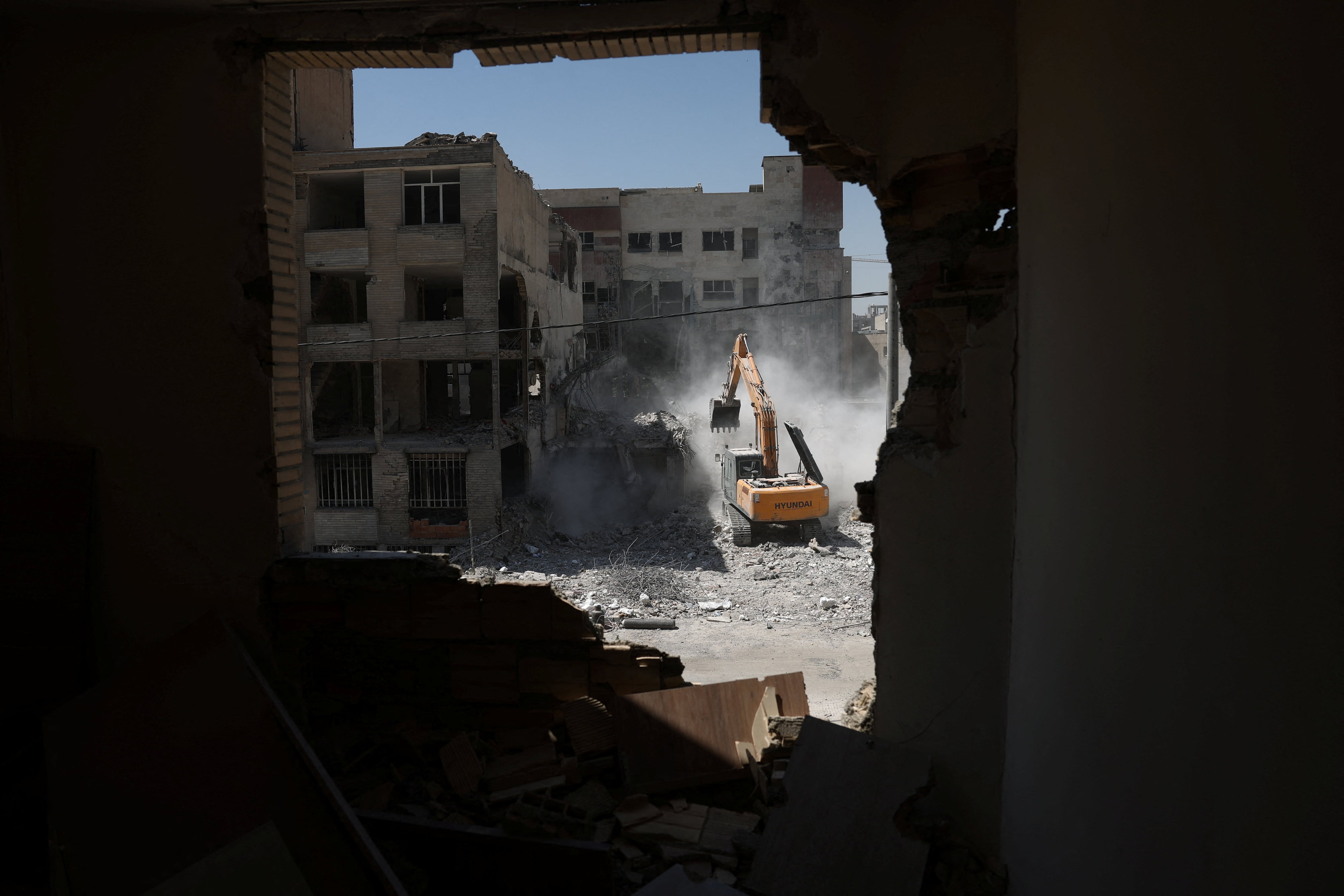
Iranian state media reported attacks on Qeshm Island and confirmed a projectile strike in Sirik, while explosions were also heard in the nearby port city of Bandar Abbas. Tehran has not officially accepted responsibility for the helicopter incident.
A US official said the Apache was brought down by a one-way Iranian attack drone while conducting a patrol mission near Oman’s coast. The two crew members were rescued by a US Navy surface drone after spending about two hours in the water. Central Command said both personnel were in stable condition.
Iranian Foreign Minister Abbas Araghchi did not directly comment on the helicopter incident but warned that the presence of foreign forces in the region increased the risk of accidents and military confrontations.
Read More: Iran Denies Involvement in US Apache Helicopter Incident
The latest developments come amid ongoing efforts to secure a broader peace agreement between the United States and Iran. While both sides have signalled interest in diplomacy, recent military exchanges and continued tensions surrounding the Strait of Hormuz threaten to undermine progress. The strategic waterway remains vital to global energy supplies and international trade.