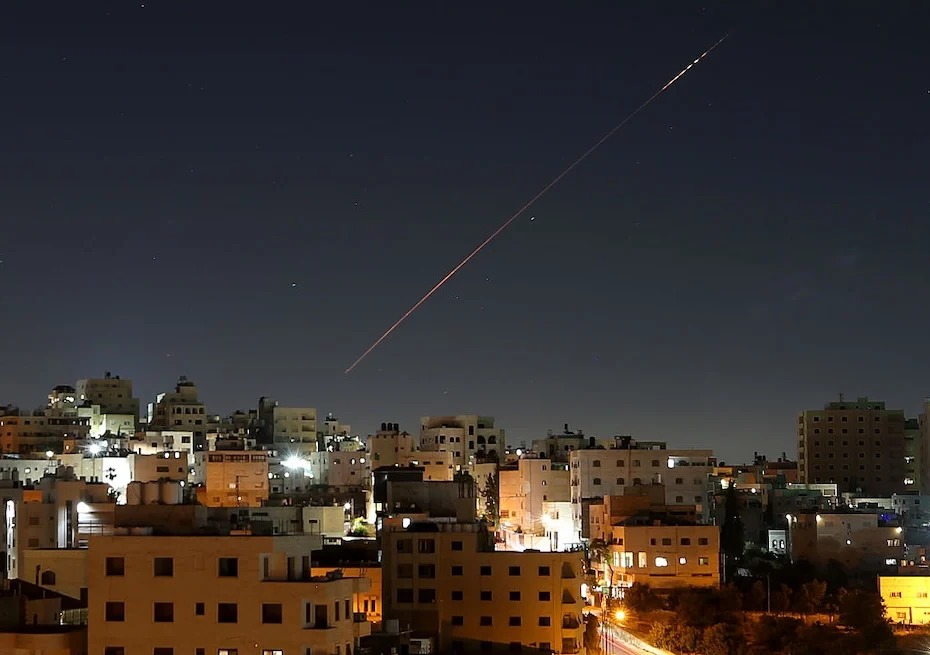
Israel carried out fresh strikes on military targets in western and central Iran on Monday, escalating tensions despite reported efforts by US President Donald Trump to prevent further attacks. The strikes came shortly after Trump urged Israeli Prime Minister Benjamin Netanyahu to avoid military action, arguing that diplomatic efforts to end the conflict were nearing a breakthrough.
Meanwhile, Iran responded by launching missiles toward Israeli targets, marking its first direct attack since a ceasefire in the wider conflict took effect in April. Iranian military officials described the operation as a warning and signaled that broader action could follow if Israeli attacks continue. Israel said its air defense systems intercepted incoming missiles, while officials assessed possible damage.
Read more : Israel and Iran exchange military strikes despite Trump ceasefire push
The renewed exchange of fire has complicated ongoing negotiations aimed at ending months of regional conflict. Trump insisted that the latest hostilities would not derail discussions with Tehran and expressed confidence that a deal remained within reach. Reports indicated that he personally contacted Netanyahu and stressed the importance of avoiding actions that could undermine diplomatic progress.
Furthermore, regional tensions widened as Israel continued military operations linked to Hezbollah in Lebanon. Israeli leaders maintained that their campaign against the Iran-backed group should be treated separately from negotiations involving Tehran. However, Iranian officials have repeatedly argued that any lasting agreement depends on a stable ceasefire in Lebanon and an end to Israeli military operations there.
Read more : Trump calls for more ‘surgical’ strikes against Hezbollah
The growing instability also rattled global energy markets, with oil prices rising more than three percent in early trading and Brent crude climbing above $96 per barrel. The conflict has already disrupted key shipping routes, including the strategically important Strait of Hormuz, through which a significant share of global oil and gas supplies passes.
As diplomatic efforts continue, both Washington and Tehran remain publicly optimistic about reaching an agreement. Nevertheless, major differences persist over sanctions relief, regional security arrangements and Iran’s nuclear program. With military exchanges continuing across multiple fronts, the success of ongoing negotiations may depend on whether both sides can prevent further escalation in the coming days.