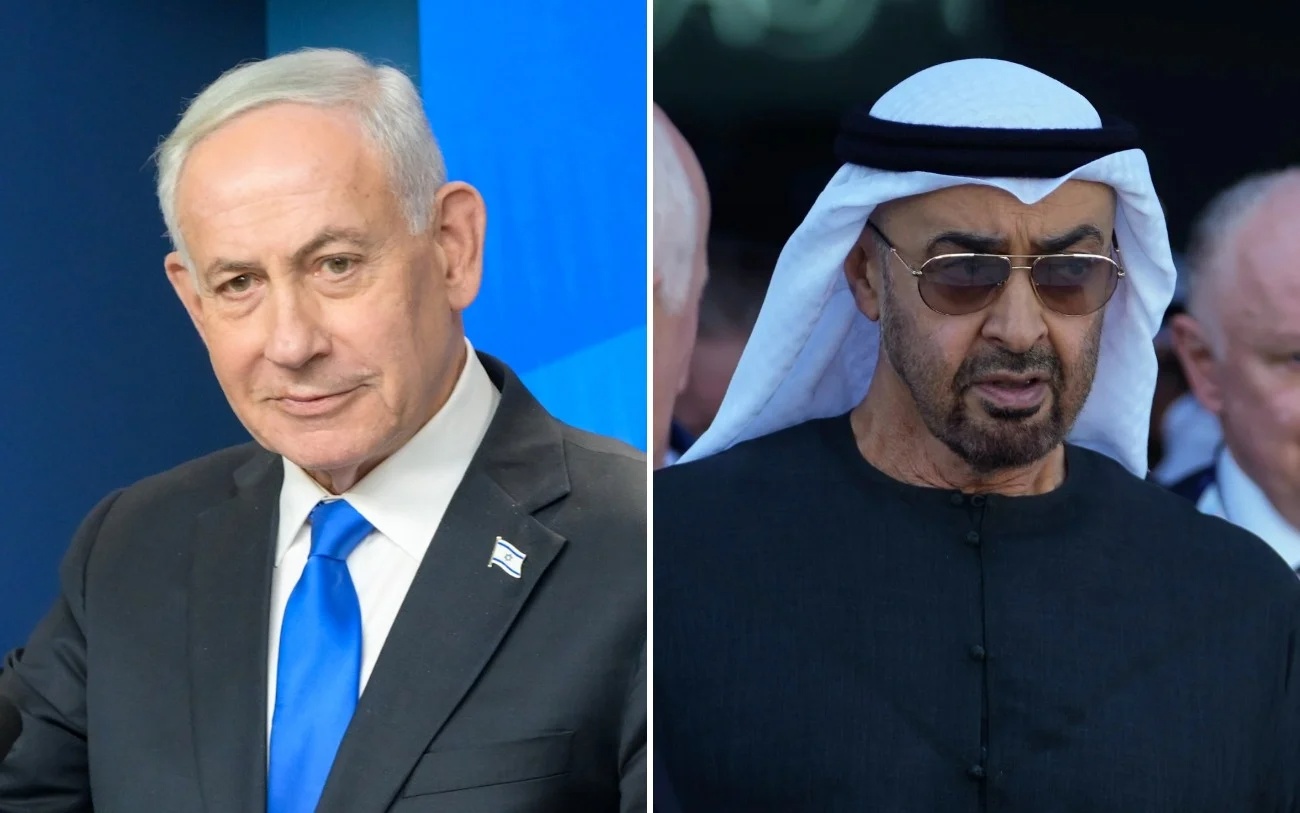
The United Arab Emirates has denied claims that Israeli Prime Minister Benjamin Netanyahu made a secret visit to the country during the Iran conflict.
The clarification came after the Israeli prime minister’s office reportedly stated on Wednesday that Netanyahu had travelled to the UAE during the Iran war and held a meeting with the Emirati president. The statement also allegedly described the visit as a historic development in relations between Israel and the UAE. However, Emirati authorities swiftly rejected the claims.
Read More: Israeli, US officials land in UAE on historic trip to finalise deal
In an official statement, the UAE Ministry of Foreign Affairs said reports regarding undeclared visits were baseless and misleading. The ministry stressed that the UAE’s diplomatic relationship with Israel is public and governed by the Abraham Accords, leaving no reason for secrecy surrounding official engagements.
The ministry stated that ties between the two countries are not hidden arrangements but are based on publicly announced agreements and diplomatic frameworks.
الإمارات تنفي ما يتم تداوله بشأن زيارة رئيس الوزراء الإسرائيلي أو استقبال وفد عسكري إسرائيلي pic.twitter.com/rl5XSzX2RG
— MoFA وزارة الخارجية (@mofauae) May 13, 2026
“The UAE’s relations with Israel are not confidential,” the statement said, adding that claims suggesting otherwise are unfounded.
Officials also called on media organisations to exercise caution and ensure accuracy before publishing politically sensitive information. The statement urged outlets not to circulate unverified reports or use them to create misleading political narratives.
The denial comes at a time of heightened regional tensions following the Iran conflict, with Middle Eastern diplomatic activity facing increased international scrutiny.
The Abraham Accords, signed in 2020, formally normalised relations between Israel and several Arab states, including the UAE, reshaping regional diplomacy and opening cooperation in trade, tourism and technology.
Despite the established relationship, the UAE has at times taken careful diplomatic positions on issues involving Israel, particularly during periods of military escalation in the region.
Neither Netanyahu nor the Israeli prime minister’s office has issued additional comments following the UAE’s denial.
Read More: Israel’s Netanyahu to visit Bahrain soon
The conflicting statements have triggered discussion across regional media, highlighting the sensitivity surrounding diplomatic engagements during ongoing geopolitical tensions in the Middle East.
Observers say the incident reflects the growing importance of information management and diplomatic messaging during periods of regional instability.