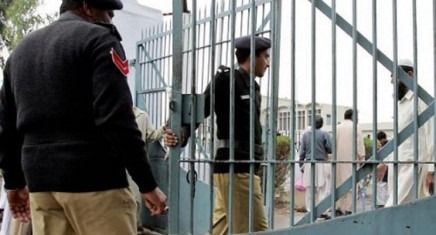
Punjab has launched an ambitious reform initiative aimed at eliminating illiteracy in prisons, as authorities introduce a comprehensive education programme across all correctional facilities in the province. The plan seeks to transform jails into rehabilitation centers where inmates gain basic education and practical skills. Officials believe that education can play a critical role in reducing repeat offenses and helping prisoners reintegrate into society after completing their sentences.
Under the programme, 176 literacy centers have been established in 44 prisons across Punjab, enabling around 17,600 inmates to receive education at the same time. Larger prisons have been equipped with up to 15 centers, while smaller facilities have at least four each. This wide-scale rollout reflects a structured effort to ensure that inmates across different regions receive equal access to learning opportunities and basic educational support.
Read more : Prisons Dept inks MoU with NRTC to launch Rs 5bn … –
Meanwhile, authorities have introduced innovative measures to support the programme, including appointing educated inmates as teachers within prison classrooms. Both teachers and learners will receive sentence remission as an incentive, encouraging active participation in the initiative. In addition, the Literacy and Basic Education Department will provide financial compensation to inmate teachers, further strengthening the programme and ensuring its sustainability over time.
Officials also highlighted that every inmate will undergo educational screening upon entry into prison, allowing authorities to assess literacy levels and place individuals in appropriate learning programmes. Furthermore, if a prisoner is released before completing their education, the system will ensure continuity through external support. This approach aims to create a seamless transition from prison education to community-based learning, helping individuals continue their academic progress beyond incarceration.
Read more : Home dept issues SOPs, rules for prisoners remission cases
In addition to literacy efforts, broader prison reforms are being introduced to improve living conditions and rehabilitation outcomes. These include modern systems for selling products made by inmates, improved family meeting arrangements, and expanded prison health services. Authorities emphasized that such initiatives, combined with education and training, can significantly reduce reoffending rates and promote positive behavioral change among prisoners.
As the reform programme progresses, officials remain optimistic that the initiative will reshape the role of prisons in society, shifting the focus from punishment to rehabilitation and personal development. By promoting education and skill-building, the government aims to empower inmates with tools for a better future. Consequently, the initiative is expected to have long-term social benefits by supporting reintegration and reducing crime rates across the province.