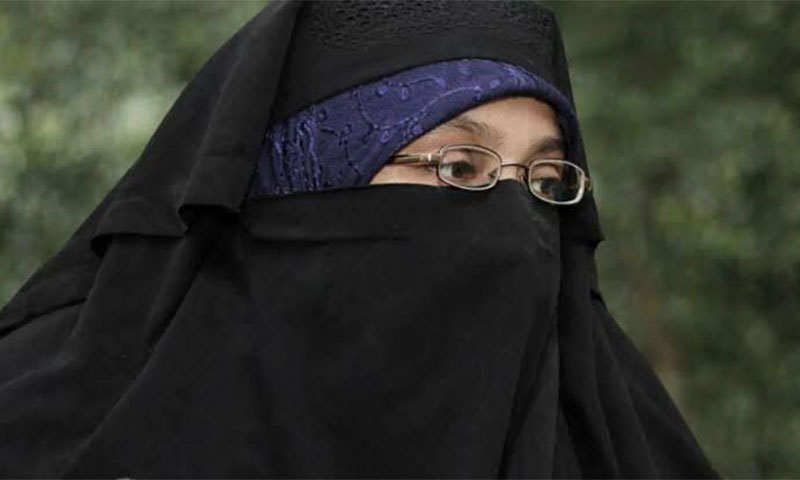
ISLAMABAD — Pakistan has strongly rejected the sentencing of prominent Kashmiri political leaders Aasiya Andrabi to life imprisonment, along with 30-year jail terms awarded to her associates Fehmeeda Sofi and Nahida Nasreen by a court in New Delhi.
Read More: Kashmiri Activist Asiya Andrabi Sentenced to Life
In an official statement, Pakistan described the verdict as a grave violation of human rights and an indication of continued suppression of fundamental freedoms in Indian Illegally Occupied Jammu and Kashmir. It stated that such actions reflect a broader pattern of restrictions on political expression and civil liberties in the region.
According to the statement, the sentences appear to be politically motivated, aimed at silencing dissent and intimidating individuals advocating for the rights of the Kashmiri people. Pakistan raised concerns over judicial independence, due process, and adherence to international human rights standards.
🔊PR No.7️⃣3️⃣/2️⃣0️⃣2️⃣6️⃣
Pakistan Condemns Sentences Awarded to Aasiya Andrabi, Fehmeeda Sofi, and Nahida Nasreen; Calls for International Attention to Human Rights in Indian Illegally Occupied Jammu and Kashmir
🔗⬇️ pic.twitter.com/ukZzXz9z3Q— Ministry of Foreign Affairs – Pakistan (@ForeignOfficePk) March 25, 2026
The government called on the international community, including United Nations and global human rights organisations, to take immediate notice of the situation. It urged them to hold India accountable for what it termed unlawful actions and to ensure the protection of basic rights in the region.
Reaffirming its longstanding position, Pakistan pledged continued political, diplomatic, and moral support for the people of Jammu and Kashmir. It emphasised the importance of safeguarding freedoms such as expression and fair trial, while also calling for the resolution of the dispute in line with international frameworks.
Read More: Kashmiri leaders slam India’s repressive measures in IIOJK
Officials reiterated that the Kashmiri people’s right to self-determination remains central to lasting peace in South Asia, urging renewed global focus on the issue.