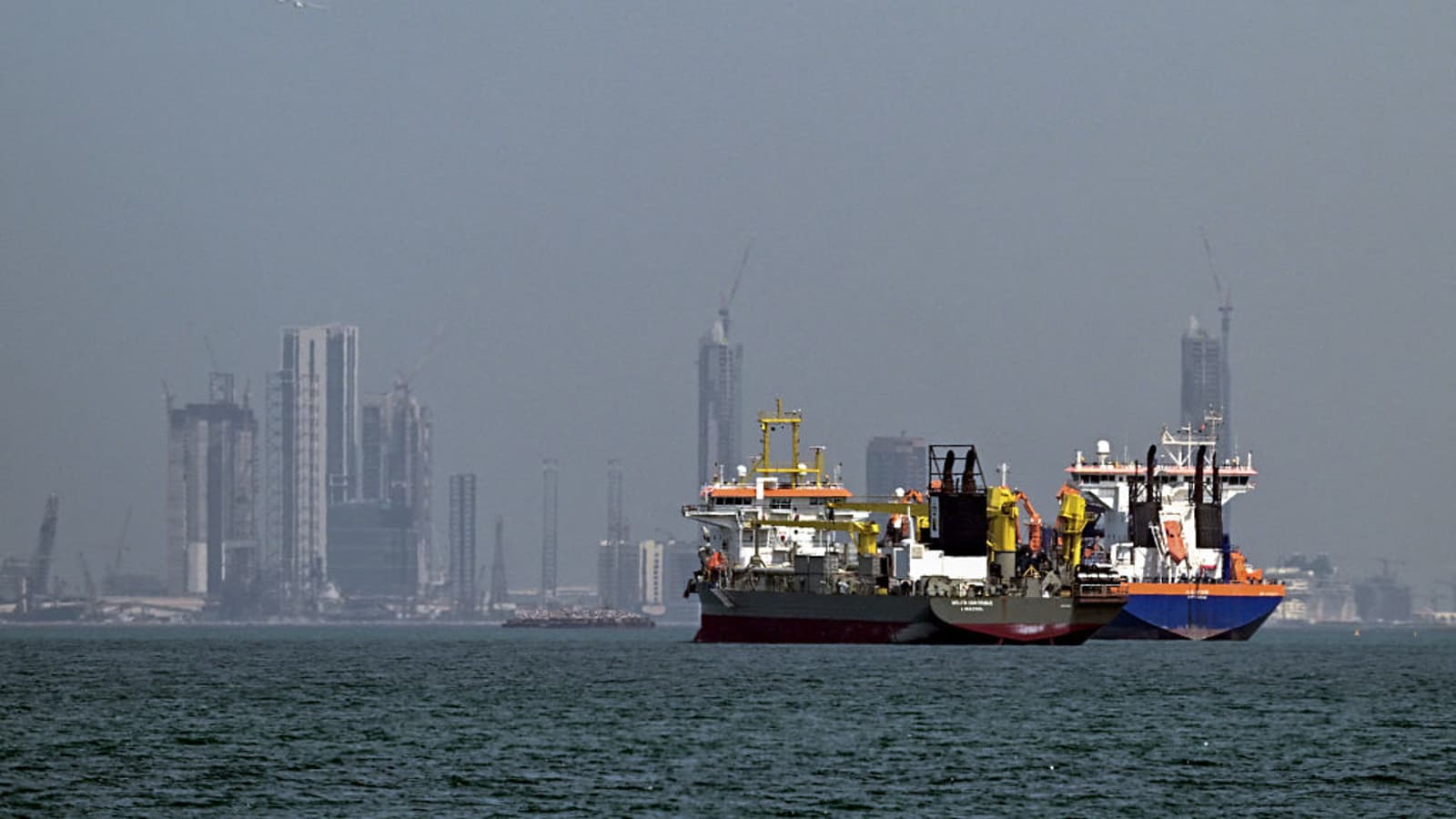
Iran has warned that any attack on its southern coastline or islands could trigger a sweeping disruption across Gulf shipping lanes, escalating tensions around the strategic Strait of Hormuz. The country’s Defence Council said it would respond by laying different types of sea mines throughout key maritime routes, potentially blocking access to the entire Gulf for a prolonged period. Officials stressed that such actions could transform the wider Gulf into a conflict zone similar to the narrow Hormuz waterway, where a significant portion of global oil shipments normally passes each day. The warning highlights rising regional tensions as international powers and regional actors increase military and political pressure around one of the world’s most critical energy corridors.
Read more : Trump issues 48-hour ultimatum to Iran over Strait of Hormuz
Meanwhile, Washington is reportedly examining options to seize or impose a blockade on Kharg Island, Iran’s primary oil export hub, in an effort to force Tehran to reopen shipping routes. The possible move is designed to counter Iran’s partial restriction of tanker traffic through the Strait and restore free passage for international vessels carrying energy supplies. Iranian authorities responded firmly, stating that any direct assault on coastal facilities or islands would immediately trigger defensive measures, including deploying floating sea mines from shore-based positions. According to the Defence Council, even a limited mining operation could significantly disrupt navigation and create long-term risks for commercial shipping throughout the Gulf region.
Read more : Gulf instability threatens Pakistan’s export competitiveness, warn …
Iranian officials also warned that clearing such mines would not be easy, pointing to historical experience during conflicts in the 1980s when international forces struggled to remove a relatively small number of naval mines. The statement argued that even more than one hundred minesweeping vessels faced serious challenges during that period while attempting to secure shipping lanes in the Gulf. As a result, Tehran suggested that any new mining campaign would likely paralyse maritime movement for an extended period, especially near narrow passages such as the Strait of Hormuz. Authorities added that non-belligerent countries could still cross the waterway, but only if they coordinated their transit with Iran beforehand.
At the same time, geopolitical pressure continues to mount after Donald Trump issued a strict deadline demanding Iran fully reopen the strategic passage to all international shipping. The American president warned that failure to comply within forty-eight hours could lead to large-scale strikes targeting Iranian power plants and critical infrastructure. The ultimatum came as global oil markets reacted sharply to the ongoing standoff, with fuel prices rising amid fears of a wider regional conflict affecting energy supply chains. Washington has also increased diplomatic messaging and military planning as it attempts to ensure uninterrupted oil flows through the world’s most important maritime chokepoint.
In parallel, regional tensions have widened beyond the Gulf as Israel signaled preparations for expanded military operations against Hezbollah in neighboring Lebanon. Israeli forces recently destroyed a key bridge while warning that the campaign could continue for weeks as part of a broader effort to weaken the Iran-backed group. Analysts say the combined pressure from Israel’s military actions and US threats has intensified the risk of a larger regional confrontation involving multiple actors. Consequently, developments around the Strait of Hormuz and the Gulf could shape both global energy markets and the strategic balance across the Middle East.