ISLAMABAD: The Pakistani government has decided in principle to adopt work-from-home policies and distance learning measures to conserve fuel, amid potential oil supply disruptions caused by the ongoing U.S.–Israeli conflict with Iran. The move coincides with the decision to implement weekly petroleum price revisions starting March 8.
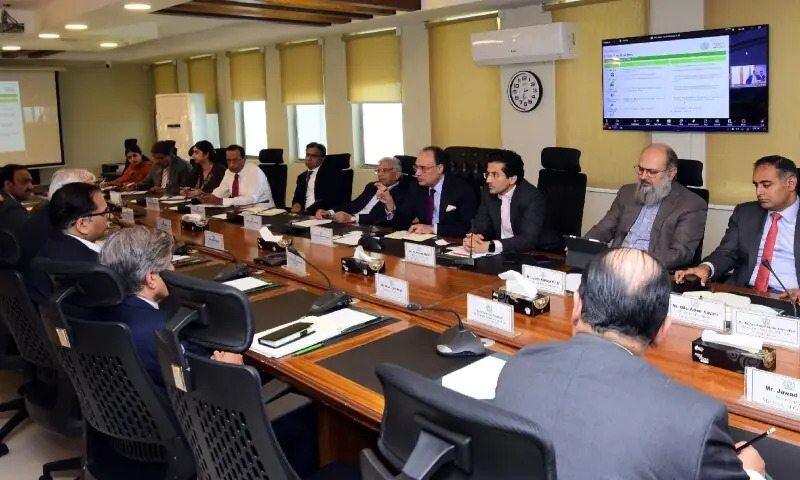
The plan was developed during a cabinet committee meeting chaired by Finance Minister Muhammad Aurangzeb, formed under the directives of Prime Minister Shehbaz Sharif to monitor petrol prices. Provincial governments and federal ministries reviewed strategies previously used during the COVID-19 pandemic, including work-from-home, car-pooling, and distance learning, as effective measures for reducing fuel consumption and protecting the budget.
Read more: Govt considers weekly petrol price review
The committee assessed national preparedness, petroleum product stock levels, and international oil market dynamics, noting risks arising from disrupted shipping routes, high freight and insurance costs, and competition for fuel cargoes in Asian markets. Measures to prevent hoarding, illegal storage, and diversion were also highlighted, with strict enforcement to ensure uninterrupted domestic distribution.
Officials emphasized that while national reserves remain at comfortable levels, the situation is “fluid and uncertain” and requires continuous monitoring. Contingency planning includes diversified supply sources, logistics alternatives, and diplomatic engagement with partner countries to secure crude and refined products through safer routes.
Read more: No fuel shortage, says finmin
The government’s focus remains on ensuring steady availability of petroleum products, protecting priority sectors, and maintaining market stability. The implementation plan will be submitted to PM Shehbaz Sharif for final approval and subsequently reviewed by the federal cabinet’s Economic Coordination Committee for formal adoption.