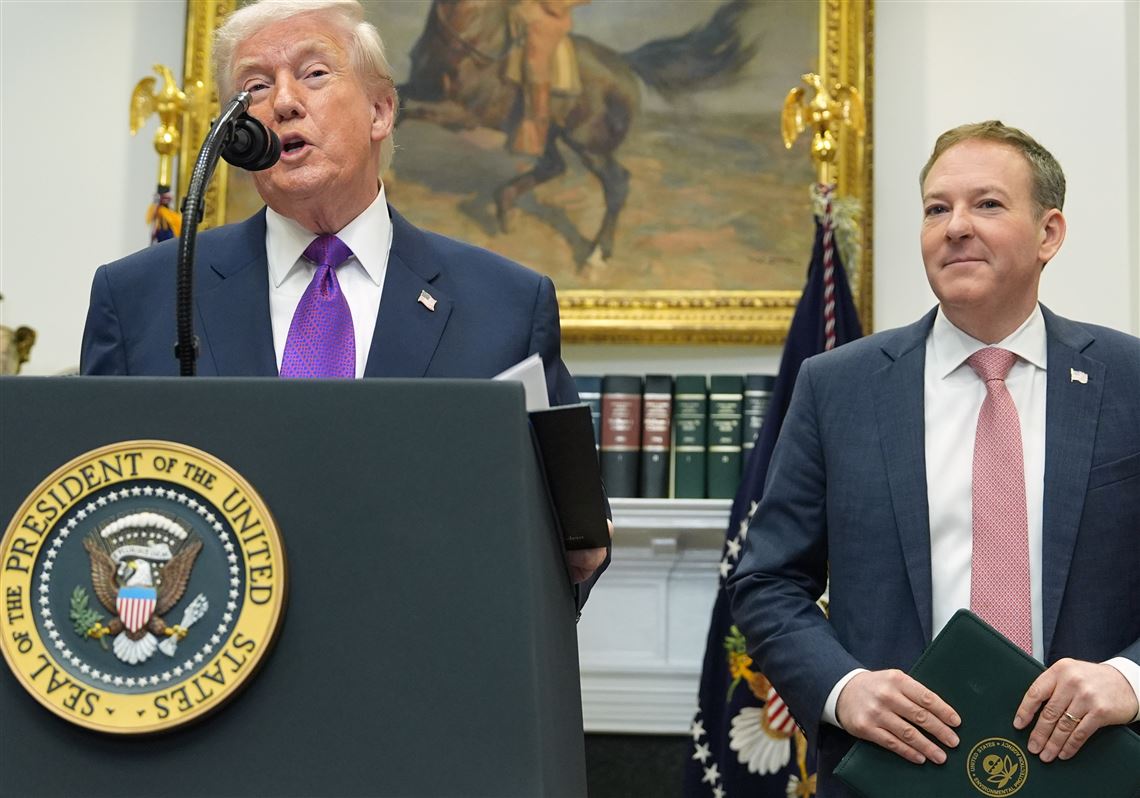
U.S. President Donald Trump on Thursday announced the repeal of the 2009 “endangerment finding,” a landmark determination that formed the legal foundation for federal climate regulations for nearly two decades.
Read More: Trump withdraws US from key climate treaty, deepening global pullback
The finding, issued by the Environmental Protection Agency (EPA) under the Clean Air Act, concluded that greenhouse gases endanger public health and welfare. It has since underpinned rules limiting carbon dioxide, methane and other emissions from vehicles, power plants, and oil and gas operations.
🚨 US Climate Rollback Gets Bigger, not a great thing for EV markets!
Trump revokes the 2009 “endangerment finding” removing the legal base for federal climate rules
EPA ends vehicle emission standards for model years 2012–2027..White House claims $1.3T in savings. Critics flag… pic.twitter.com/H8Cjtw7FqS
— Nabila Jamal (@nabilajamal_) February 13, 2026
Speaking at the White House alongside EPA Administrator Lee Zeldin, Trump described the repeal as a major policy shift and called the original rule a “disastrous Obama-era policy.” Zeldin argued that Congress never explicitly authorised the EPA to regulate greenhouse gases and said any such authority must come directly from lawmakers.
The move effectively removes the federal government’s primary legal basis for regulating climate pollution. Environmental advocates warned that the decision comes as scientists report intensifying heat waves, droughts, wildfires and extreme weather linked to rising global temperatures.
Critics swiftly condemned the repeal. Manish Bapna, president of the Natural Resources Defense Council, called it a severe setback for clean energy progress and said both science and legal precedent support the EPA’s authority.
Read More: Trump orders US withdrawal from dozens of global organisations
The American Lung Association announced plans to challenge the decision in court, arguing the repeal is unlawful. Legal experts note that the Supreme Court of the United States has previously recognised the EPA’s authority to regulate greenhouse gases, including in rulings as recent as 2022.
If upheld, the repeal could significantly limit the federal government’s ability to address climate change unless Congress passes new legislation restoring regulatory authority.