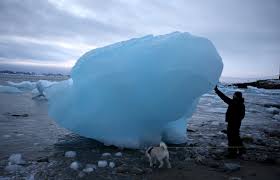
Greenland has recorded its warmest January on record, with temperatures rising four times faster than the global average. The rapid warming is affecting vital industries, from fishing to tourism. Experts warn that the changes could reshape the island’s economy and infrastructure.
Preliminary readings in Nuuk, the capital, showed an average of +0.2°C (32.4°F) in January, far above the historical average of -7.7°C. Jacob Hoyer, head of Greenland’s climate research center, said the effects of climate change are already visible across the island.
Read more: Why Greenland matters to the USA?
Thinner sea ice and shorter winter ice seasons are disrupting transport and logistics. The warming waters could also impact the fishing sector, which provides 15% of jobs and accounts for 23% of Greenland’s GDP.
The island’s mineral resources may become easier to extract as conditions change. Greenland contains 25 of the 34 minerals deemed “critical” by the European Commission. Warmer weather could make mining more profitable despite historical challenges from harsh conditions and indigenous opposition.
Read more: Sea levels threatened by Greenland ice melt
Tourism is also feeling the impact, with less snow and ice affecting snowmobile and ski tours. Business owners hope for more snowfall to sustain winter tourism. Analysts say Greenland faces a complex mix of climate, economic, and strategic pressures in the years ahead.