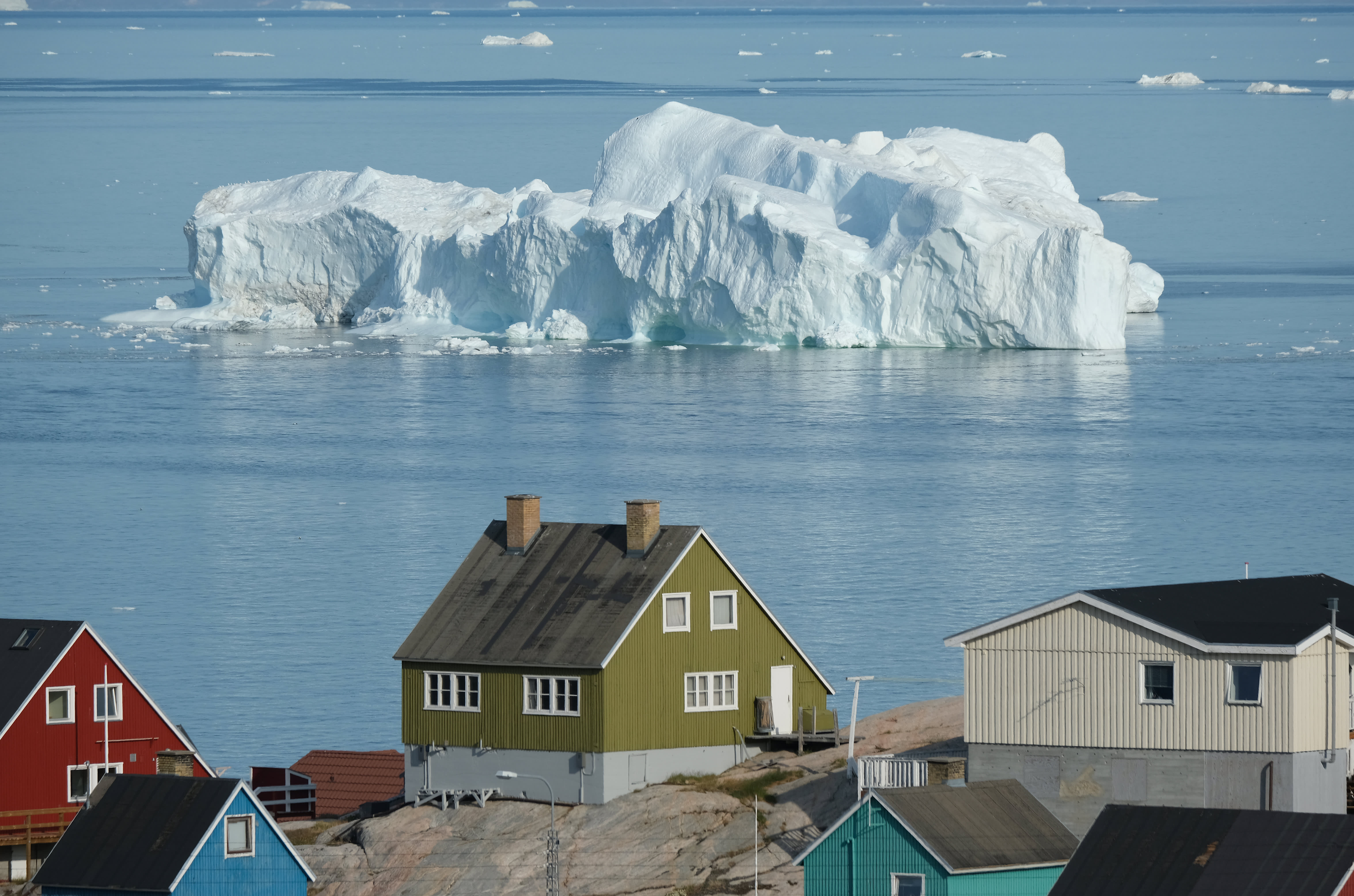
Scientists studying the Greenland Ice Sheet have uncovered evidence suggesting it may melt faster than expected, increasing the threat of rapid sea-level rise for coastal cities worldwide.
Recent analysis of rock samples drilled beneath Prudhoe Dome shows that large sections of Greenland’s ice disappeared entirely within the last 10,000 years, challenging long-held assumptions about its long-term stability.
Read more : Greenland rejects Trump’s annexation fantasies
As a result, researchers warn that even areas once considered resilient could melt again as global temperatures rise, potentially triggering serious consequences for low-lying regions and densely populated coastlines.
Moreover, scientists from the University of Ottawa and international partners identified uneven underground heat beneath Greenland, revealing that deep geological warmth also accelerates ice movement toward the ocean.
Read more : Denmark commits $253 million for Greenland’s future
Using advanced 3D temperature models built from satellite data, seismic readings, gravity measurements, and simulations, the team found warmer bedrock zones allow ice to slide faster, increasing meltwater flow into seas.
Therefore, experts caution that ignoring these hidden heat patterns could underestimate how quickly Greenland is changing, meaning future sea-level rise may occur faster and prove more damaging than current forecasts suggest.