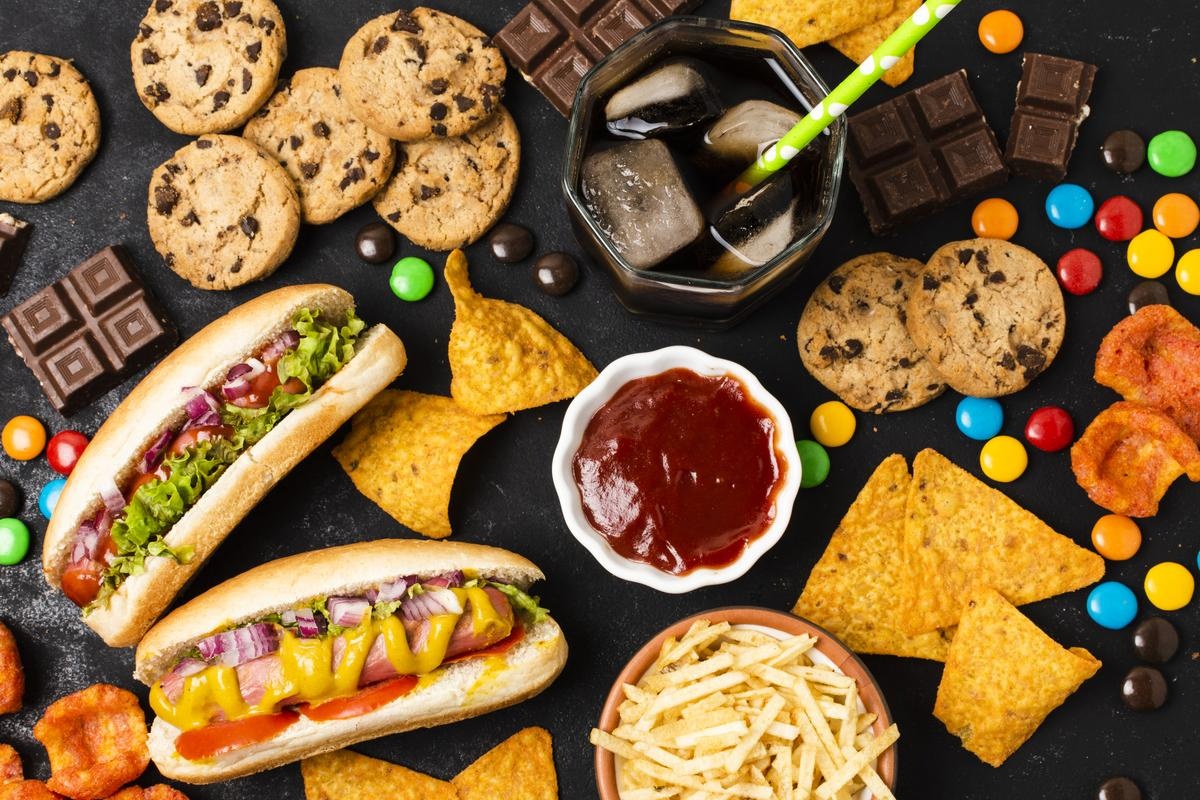
The United Kingdom (UK) has implemented a new regulation ban adverts for junk food on daytime television and online, in a move aimed at tackling childhood obesity. The measure, which took effect on Monday, targets products high in fat, salt, or sugar and is being described by the government as a “world-leading action.”
Read More: Junk food commercials make children hungry, nag their parents for unhealthy meal
The ban applies to TV adverts airing before the 9pm watershed and to all paid online advertisements. According to the health ministry, it is expected to remove up to 7.2 billion calories from children’s diets each year, reduce childhood obesity by 20,000 cases, and deliver around £2 billion ($2.7 billion) in health benefits.
Today the UK’s landmark new junk food advertising ban comes into effect, but big food companies are not letting up 🎯
Businesses are switching tactics and using every channel still available to target young people, including:
🚌Outdoor advertising
🏷️Brand advertising (even if… pic.twitter.com/z2DDHA6HAK— The Food Foundation (@Food_Foundation) January 5, 2026
This initiative follows other recent measures, including an extended sugar tax on pre-packaged items such as milkshakes, ready-to-go coffees, and sweetened yoghurt drinks. Local authorities have also been empowered to prevent fast food outlets from opening near schools.
View this post on Instagram
The government cites evidence showing that advertising strongly influences children’s food choices, shaping preferences from an early age and increasing the risk of obesity and related illnesses. Data indicates that 22 per cent of children entering primary school in England are overweight or obese, rising to more than a third by the time they reach secondary school.
Health minister Ashley Dalton said the ban is part of a broader strategy to shift the National Health Service’s focus toward prevention as well as treatment. “By restricting adverts for junk food before 9pm and banning paid adverts online, we can reduce children’s exposure to unhealthy foods,” he stated.
Read More: More than seven million face heart disease, diabetes and cancer due to obesity
The move has been welcomed by public health organisations. Katharine Jenner of the Obesity Health Alliance described it as a “long-awaited step” in protecting children’s health, while Colette Marshall of Diabetes UK highlighted the link between obesity and the rising incidence of type 2 diabetes among young people.
Officials hope that by reducing exposure to unhealthy food advertising, the country can help children develop healthier habits and reduce preventable health complications in the long term.