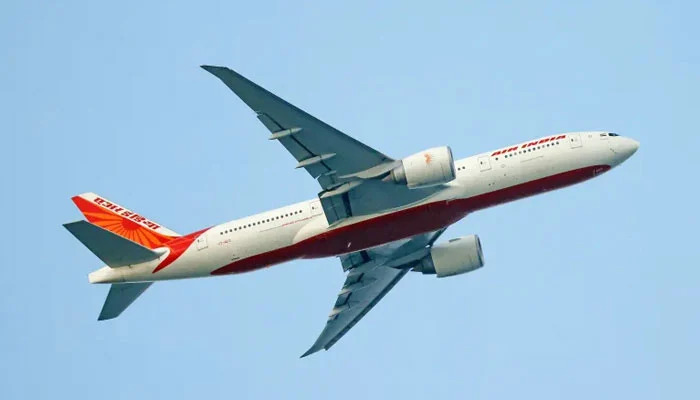
Air India’s CEO, Campbell Wilson, said airspace closures are affecting the airline’s ability to operate on time. He spoke publicly for the first time since the June Boeing Dreamliner crash in Ahmedabad. Delayed jet deliveries and geopolitical tensions, including airspace bans from Pakistan, have added to operational challenges. Wilson acknowledged the airline faces a tough business year ahead.
Pakistan closed its airspace to Indian airlines on April 24 after India suspended the Indus Waters Treaty. The ban followed escalating tensions after an attack in India-occupied Kashmir killed 26 Hindu tourists. Pakistan denied any involvement but extended the closure until November 24. Air India now expects around $600 million in additional costs if the ban lasts a full year.
Read more: Air India hit hard by Pakistan’s airspace ban, says CEO
Other Indian carriers, including IndiGo, are also facing longer flights and higher fuel costs due to rerouting. Pakistan Airports Authority reported a Rs4.1 billion shortfall in August after closing its airspace to Indian aircraft. These restrictions have disrupted schedules and increased expenses for airlines operating in the region.
Air India is still recovering from the June crash that killed 260 people. The Tata Group-owned carrier has been under scrutiny for lapses in emergency equipment checks, engine maintenance, and crew fatigue management. The interim investigation found that the plane’s fuel engine switches flipped from run to cutoff just after takeoff.
Read more: Air India faces regulator’s heat over safety lapses
CEO Wilson said the airline is working closely with investigators and taking steps to improve safety and efficiency. He added that Air India is exploring all options to maintain better on-time performance despite airspace and operational challenges. The situation highlights how geopolitical tensions can directly affect aviation safety and costs.