WASHINGTON: The Trump administration has decided to return two suspected drug traffickers who survived a US military strike in the Caribbean, sidestepping potential legal complications surrounding their detention, Reuters reported.
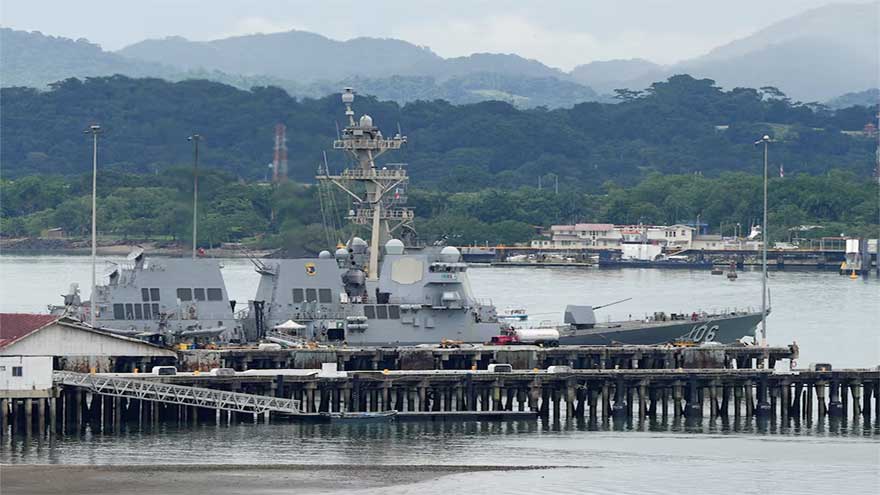
The strike — part of a broader campaign the administration has described as a “non-international armed conflict” against narco-terrorism — destroyed a semi-submersible vessel allegedly used to smuggle drugs. Two suspects were killed in the attack, while two others were rescued and briefly held aboard a US Navy warship before being repatriated.
Legal experts said the decision to release the men reflected a lack of clear authority to hold them under international or domestic law. “Since there is no actual armed conflict, there is no law of armed conflict authority to hold them regardless of what we call them,” said Rachel VanLandingham, a former Air Force lawyer now teaching at Southwestern Law School. The Trump administration reportedly made the decision to repatriate the survivors within 24 hours, handing over the process to Secretary of State Marco Rubio and US diplomats.
Read More: Trump Orders Pentagon to Pay Troops Despite Ongoing Shutdown
Officials said the move was an effort to “turn the page” on what one expert called “an embarrassing episode.” “Sending these people home is a way for the administration to move past this issue,” said Brian Finucane, senior adviser at the International Crisis Group.
Although the administration has classified the campaign as a military conflict, legal scholars argue that such terminology carries little legal weight. Holding the survivors as “unlawful combatants” or detaining them at Guantanamo Bay would have risked lengthy legal challenges and forced the government to disclose evidence in court.
Democratic lawmakers have criticized the Caribbean strikes, which have reportedly killed 32 people, as illegal and excessive. “If the survivors had appeared in court, it would have instantly become clear that the attacks were unlawful,” said Congressman Jim Himes.
Read More: Dan Scavino Named Head of Key White House Office
The US Defense Department has released few details about the strikes, including the amount of drugs seized or the identities of those killed. The latest attack, on Friday, reportedly killed three more people, according to Defense Secretary Pete Hegseth.
Meanwhile, Colombian President Gustavo Petro has accused the US of hitting a civilian fishing boat during an earlier operation in September — a charge that led to a heated exchange with President Trump on social media.
Legal analysts continue to question the use of military force in such operations, arguing that law enforcement agencies like the US Coast Guard are better suited to handle maritime drug interdiction efforts.