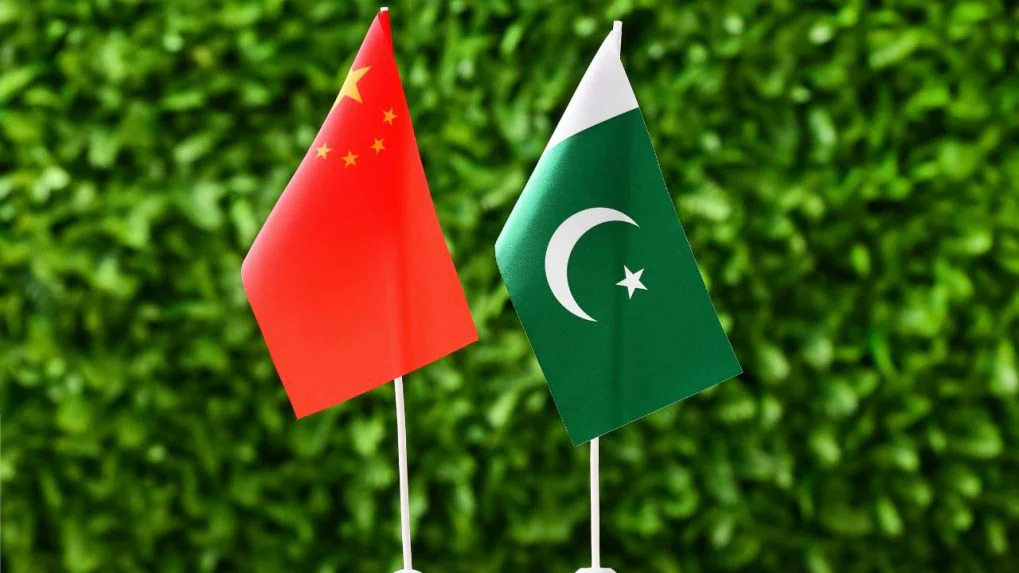
Pakistan and China are moving forward with the second phase of the China-Pakistan Economic Corridor (CPEC). Federal Minister for Planning Ahsan Iqbal is currently in Beijing for the 14th Joint Cooperation Committee (JCC) meeting, where both sides are expected to sign several Memorandums of Understanding (MoUs). These agreements aim to deepen economic ties, improve technology, promote clean energy, and support youth development.
During the opening session, Ahsan Iqbal stressed the long-standing trust between the two countries. He said CPEC Phase II would focus on people-centric and youth-led development. Key MoUs under discussion align with Pakistan’s Uraan 5Es Framework, which focuses on exports, environment, energy, empowerment, and equity. The agreements will also support digital growth through 5G, fiber networks, and AI innovation, as well as green energy and modern agriculture.
Read more: Pakistan lines up key CPEC projects ahead of Beijing summit
As part of the new MoUs, Pakistan and China will also promote exports from Special Economic Zones, improve water resource management, and support climate-friendly projects. The two countries plan to work on eco-friendly energy infrastructure and advance a green corridor initiative. Officials said these efforts will help Pakistan move toward sustainable and inclusive economic growth.
Looking back at CPEC Phase I, Iqbal highlighted that Pakistan added 8,000 MW of electricity, built 888 km of highways, and developed Gwadar into a maritime gateway. He also noted the ML-1 railway modernization, which will boost regional trade and connectivity. These projects helped lay the foundation for stronger infrastructure and economic resilience.
Read more: Pakistan, China agree to advance CPEC; PM unveils Panda Bond plan
Phase II will prioritize youth and education. Pakistan has proposed 10,000 PhD scholarships in Chinese universities, along with internship programs and innovation centers. Iqbal said these initiatives would equip young people with skills to lead the country’s future. He also mentioned learning from China’s poverty reduction model to uplift Pakistan’s underserved districts, making CPEC not just a corridor of roads, but a pathway to progress.