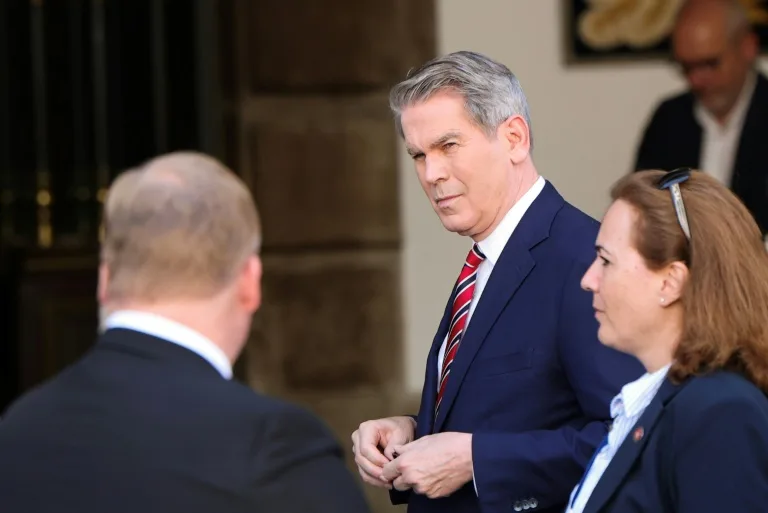
Trade talks between the United States and China resumed in Madrid on Monday, as both nations aim to resolve ongoing disputes in trade and technology. The discussions, led by US Treasury Secretary Scott Bessent and Chinese Vice Premier He Lifeng, began at Spain’s foreign ministry. The talks are expected to continue until Wednesday, with a focus on key issues that have strained relations between the world’s two largest economies.
The negotiations come at a critical time, with two major points of contention on the agenda. First, President Donald Trump’s threat of imposing steep tariffs on Chinese imports remains unresolved. Second, the US has demanded that the popular app TikTok be sold to a non-Chinese owner by September 17, or face a potential ban. These issues, alongside other trade disputes, have led to heightened tensions earlier this year, as tariffs on both sides escalated, damaging global supply chains.
Despite the challenges, both countries reached a temporary truce earlier this year, lowering tariffs. The United States agreed to impose a 30 percent tariff on Chinese goods, while China imposed a 10 percent levy on US products. However, this truce will expire in November, prompting the urgent need for a more permanent solution. The outcome of this week’s talks could influence future relations between the two countries.
In addition to trade, Beijing recently launched investigations into the US semiconductor industry, signaling that tensions over technology remain high. The US and China’s competition over technology access, intellectual property, and rare earth exports has intensified, creating significant roadblocks in negotiations. China has also urged the US to resolve disputes based on mutual respect and equal consultations, reflecting the ongoing challenges in their relationship.
While the talks in Madrid are seen as a step towards easing tensions, a final resolution remains uncertain. Some observers believe these negotiations could lay the groundwork for a possible summit later this year between President Trump and Chinese leader Xi Jinping. Until then, negotiators will need to stabilize the uneasy truce and address complex issues related to trade and technology.
As the trade war continues, the world watches closely to see if the US and China can move past their differences and find common ground. The outcome of these talks will have far-reaching implications for global markets, supply chains, and international relations.