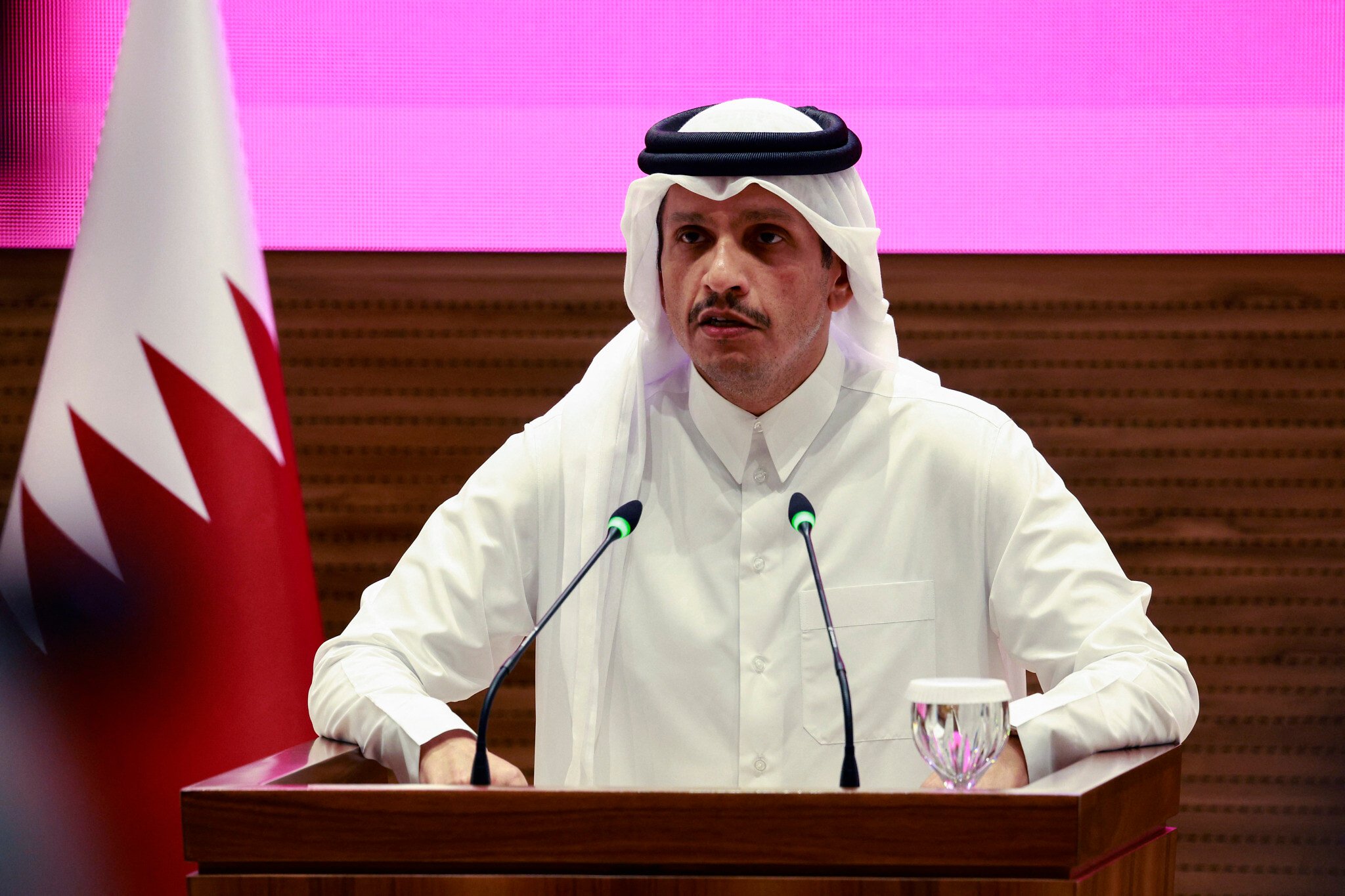
DOHA – Qatari Prime Minister Sheikh Mohammed bin Abdulrahman al-Thani declared that nothing would deter Qatar from continuing its mediation efforts between Israel and Hamas, despite Tuesday’s Israeli strikes in Doha. He described mediation as part of Qatar’s identity and said the Gulf nation would continue its role, even after attacks targeted senior Hamas leaders in the capital. His statement came just hours after the assault, which raised fears of derailing peace negotiations.
Speaking at a press conference, al-Thani sharply criticized Israeli Prime Minister Benjamin Netanyahu, accusing him of practicing “state terrorism” and sabotaging chances for peace. He insisted that Qatar has spared no effort to bring an end to the war in Gaza, but admitted current talks face serious setbacks after the strikes. He further accused Israel of deliberately undermining mediation efforts, warning that such actions risk fueling greater instability.
Al-Thani revealed that United States officials warned Doha of the attack only ten minutes after it had already begun. He called the strike “100 percent treacherous” and vowed that Qatar would respond. He confirmed that a legal team has been established to prepare the country’s official response, adding that Doha reserves the right to take necessary measures against the violation. His remarks highlighted growing frustration with international partners who failed to prevent the assault.
The Israeli government, however, defended the strike, with Prime Minister Netanyahu insisting it was “entirely justified.” He said the order followed an attack in Jerusalem and the killing of four Israeli soldiers in Gaza. Israel argued that targeting Hamas leaders abroad was part of its broader strategy to weaken the group. Nevertheless, critics believe such actions threaten to escalate tensions beyond Gaza and undermine efforts for a ceasefire.
Meanwhile, United Nations Secretary-General Antonio Guterres strongly condemned the strikes, calling them a “flagrant violation of the sovereignty and territorial integrity of Qatar.” He stressed that Qatar had played a constructive role in ceasefire negotiations and in efforts to release hostages. Guterres urged all sides to return to dialogue and warned against actions that destroy diplomatic progress. His statement added international weight to the outcry following the attack.
Observers now fear that Israel’s actions could derail the already fragile peace talks mediated by Doha, Cairo, and Washington. Qatar has long positioned itself as a neutral ground for negotiations, but the latest escalation poses a direct challenge to that role. The coming days will determine whether diplomatic pressure can prevent further confrontation and restore trust in mediation efforts.