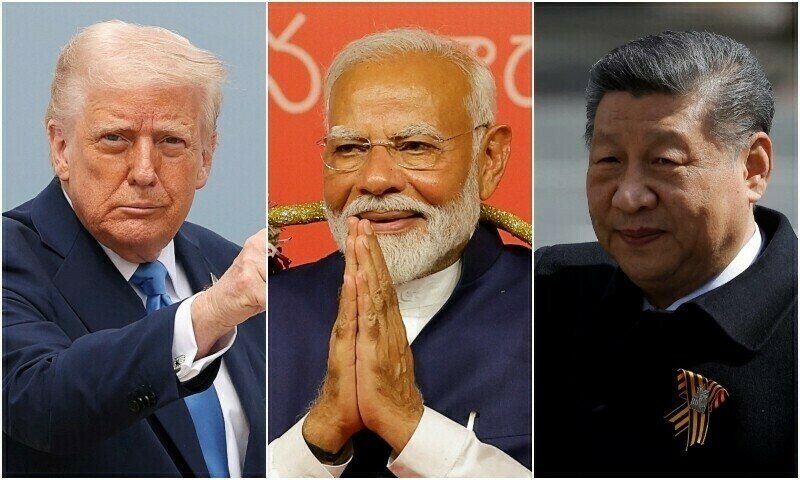
Indian Prime Minister Narendra Modi’s efforts to strengthen ties with the US and China have hit a dead end, according to a report by The New York Times. Despite India’s growing economy and global ambitions, tensions with both powers have exposed the country’s diplomatic limits. The report traces the fallout from key moments in Modi’s foreign policy, starting with a 2014 visit by Chinese President Xi Jinping, which was marred by a military standoff at the India-China border.
After tensions with China, Modi leaned toward the US. He formed a close bond with President Donald Trump, even breaking protocol to support his 2020 campaign in Houston. The Biden administration maintained strong ties with India, viewing it as a key counterweight to China. However, during Trump’s second term, the relationship has soured. Trump slapped a 50% tariff on India, criticized its economy, and targeted its oil imports from Russia.
Trump also frustrated New Delhi by treating Pakistan as an equal while mediating in recent military tensions. After hosting Pakistan’s army chief at the White House, India privately protested, fearing its strategic value was being diminished. The report says these events have forced India to reassess its global role, with Modi admitting that his stance on trade with the US could come at personal political cost.
Amid cooling ties with Washington, India has begun re-engaging with China. Modi is expected to visit China for the first time in seven years to attend the Shanghai Cooperation Organization summit. However, relations remain strained over ongoing border disputes and China’s support for Pakistan. India is also deepening ties with Russia, with Putin expected to visit New Delhi later this year.
The report concludes that India is now leaning back toward its long-held policy of “strategic autonomy”—staying independent from formal alliances. Former Indian ambassador Nirupama Rao warned that the fallout from Trump’s actions may require India to make “pragmatic recalibrations” in foreign policy. With both Trump and Modi known for their personal leadership styles, experts say diplomacy now hinges less on national interests and more on ego-driven decisions.