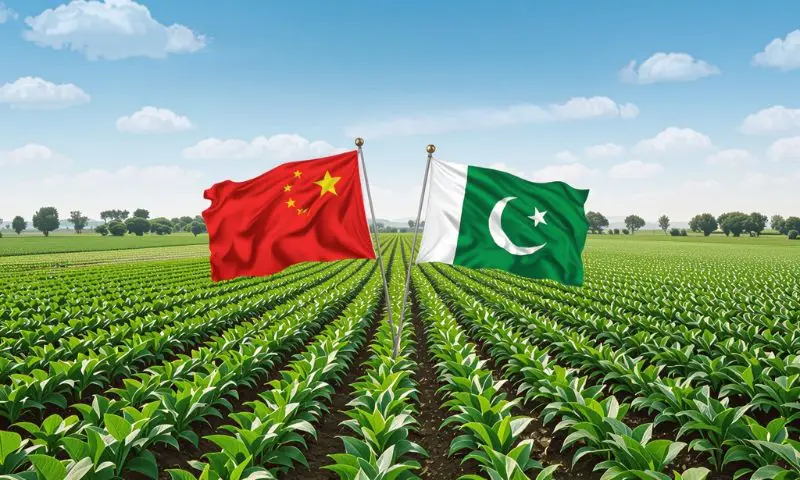
An 18-member Chinese delegation visited Lahore to boost agricultural cooperation under the China-Pakistan Economic Corridor (CPEC). Led by Mr. Guo Yuguo, the group met Punjab Agriculture Minister Syed Ashiq Hussain Kirmani at Agriculture House. They discussed modern farming technologies and investment opportunities in Punjab, aiming to strengthen ties between the two partners.
The delegation included representatives from top Chinese agricultural companies offering advanced machinery and smart farming tools. The meeting focused on speeding up efforts to modernize Punjab’s agriculture sector.
Despite strong diplomatic support, progress in implementing agreed agricultural plans has been slow. Bureaucratic hurdles continue to block reforms and modernization efforts in Punjab. The Chinese side expressed frustration over delays caused by administrative challenges.
Minister Kirmani highlighted government initiatives like leasing schemes and subsidies for modern equipment. He urged Punjab’s farmers to adopt technology-driven methods to increase productivity and reduce labor.
China views Pakistan, especially Punjab, as a vital partner for building sustainable agricultural supply chains. Beijing aims to meet its growing food demands by importing value-added products from Pakistan, such as halal meat, fruits, and grains.
Punjab supplies over 60% of Pakistan’s main crops, yet less than 10% of these products are processed for export markets. Experts say upgrading food processing and quality certification systems could unlock new export potential to China and the Middle East.
Chinese companies showcased various farming machines during the session, ranging from power tillers to large combine harvesters. They also introduced smart technologies like IoT-connected equipment and autonomous tractors.
These innovations could transform farming practices in Punjab and improve crop yields. Senior officials from Punjab’s Agriculture Department attended and expressed commitment to collaborating with Chinese investors and experts to modernize the sector.
The meeting highlighted both opportunities and challenges in the Pakistan-China agricultural partnership. While plans are ambitious, bureaucratic delays slow progress on the ground. Both sides agreed on the need for faster implementation to realize mutual benefits.
With renewed focus on technology adoption and investment, Punjab’s agriculture sector could become a major supplier in China’s growing food market. The partnership’s success depends on overcoming administrative obstacles and embracing modernization.