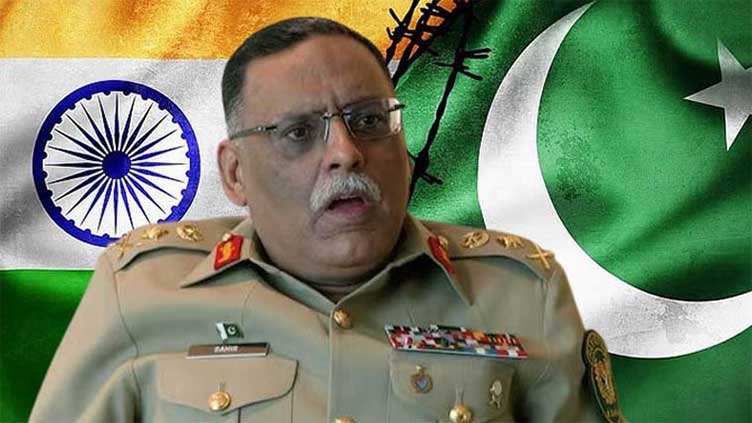
Chairman Joint Chiefs of Staff Committee, Gen. Sahir Shamshad Mirza, said Pakistan used only its own resources during the recent 96-hour conflict with India. In an interview with BBC, he denied reports of foreign help, including satellite intelligence from China. He explained that all equipment used was either produced in Pakistan or previously acquired, and real-time operations depended entirely on Pakistan’s own capabilities.
Gen. Shamshad emphasized that Pakistan managed the entire conflict without any external assistance. This statement is one of the rare official comments on the short but intense military clash between the two nuclear-armed neighbors. Although he did not specify the exact timing or nature of the conflict, he said it was different from past border skirmishes and affected civilian areas as well.
He acknowledged the seriousness of the situation and warned that future conflicts will not remain limited to disputed areas like Kashmir. While the borders are relatively calm now, tensions have increased in cities. Gen. Shamshad cautioned that future disputes will be broader and more complex, extending beyond traditional conflict zones.
On Pakistan-India relations, he pointed out the lack of an effective and organized mechanism to resolve disputes. Currently, they rely on the Director General Military Operations hotline, which he said is insufficient during high-intensity crises. He also expressed concern about rising extremism in the region, explaining that dealing with extremist mindsets limits the scope of international intervention.
Gen. Shamshad noted that although the US and some other countries intervened during the recent crisis, such opportunities are now very limited. Previously, he warned at the Shangri-La Dialogue that the region faces the risk of nuclear conflict, especially after escalating tensions post-Pahalgam. He also condemned India’s alleged use of water as a weapon, calling it a clear violation of international laws and stating that any attempt to block or divert Pakistan’s water will be considered a war act.