 Exclusive Interview
 Exclusive Interview
By Adnan Arif
Photos by Ramzan Mughal
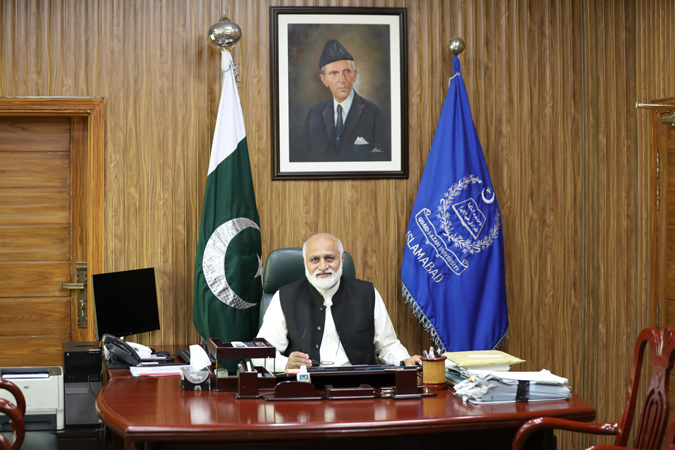
Prof. Dr. Niaz Ahmad Akhtar (SI), Vice Chancellor, Quaid-i-Azam University (QAU), highlighted the university’s progress on multiple fronts, ranging from new initiatives to governance in an exclusive interview with Daily Times.
Q: What are the university’s priorities, according to you?
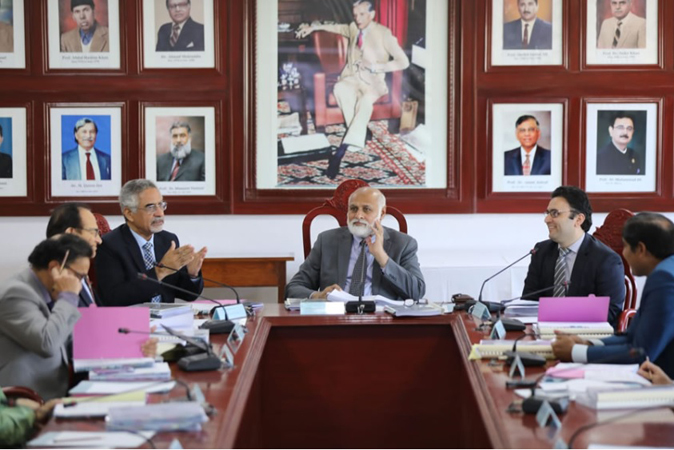
A: The implementation of practices to ensure good governance would be the university’s priority. I believe that true authority lies with the statutory bodies of any institution, by enabling these bodies to conduct regular meetings and make decisions without interruption would build trust among stakeholders and help the institution to achieve its objectives effectively. Within three weeks of my joining the university, the Finance and Planning Committee, Selection Board, and Syndicate meetings have already been conducted, where members have taken important policy decisions.
Q: What is your vision for the university?
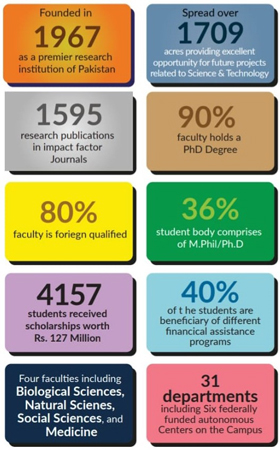
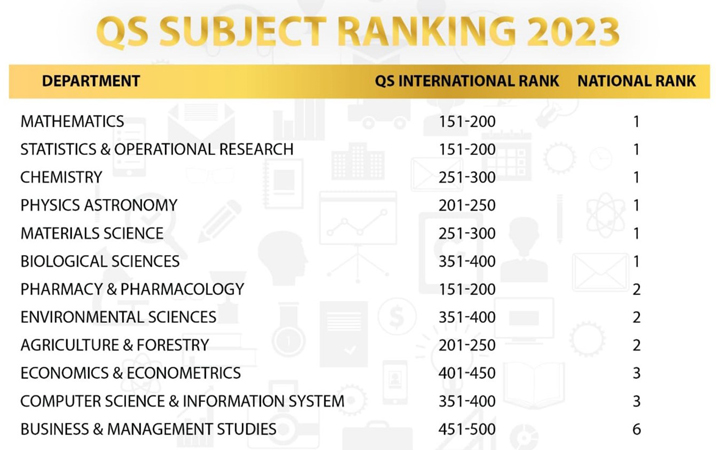
A: My vision for the university involves setting clear objectives and implementing strategies that prioritize honesty, integrity, and accountability. I believe in continuously assessing and enhancing performance. As a premier institution of higher education in the country, Quaid-i-Azam University has the potential to make significant contributions to the sustainable development and economic growth of the nation. One of our goals is to improve the university’s global ranking and reach a position among the top 200 universities worldwide by fully utilizing our resources and capabilities.
Q: How do you plan to improve the university’s administrative structure and services?
A: Our plan involves optimizing administrative processes by identifying and addressing inefficiencies to save time and resources. We also aim to implement digital solutions across campus services and administrative processes in the near future. To further enhance the university’s administrative structure and services, the Syndicate has recently approved the creation of several new directorates and centers. These include the Directorate of External Linkages, Directorate of Alumni Association, University Data Center, University Digitalisation Centre, Regional Integration Centre, Human Resource Development Centre, Social Entrepreneurship Centre, Communication Network Centre, Job Placement /Career Counselling Centre, Business Incubation Centre, and Centre for Entrepreneurship.
Q: What are the main challenges faced by the university and how do you plan to tackle them?
A: The university’s primary challenges include financial sustainability and resource generation. To address these challenges, we recognize the need for a comprehensive strategy that does not solely rely on government grants. Instead, we plan to engage the private sector to secure research grants, seek donations from individuals and alumni, establish corporate sponsorships, and form partnerships. Through this approach, we aim to reduce costs while ensuring the university’s financial sustainability.
Q: What is the current focus of the university, and how is it being pursued?
A: Currently, the university is prioritizing the evaluation of its academic programs to identify areas for improvement and to align them with the demands of the job market. The ultimate goal is to ensure that graduates are well-equipped for successful careers. In pursuit of this objective, the curriculum is being comprehensively reviewed to encompass the essential knowledge and skills required in relevant industries and to incorporate the latest trends in those fields. This ensures that graduates possess the necessary competencies and expertise to thrive in their chosen professions.
Q: How do you plan to promote market-based research?
A: Market-based research and innovation culture would be promoted by establishing partnerships with the industry and by urging the faculty to identify research projects with potential commercial applications. The university would develop entrepreneurship programs within the university to foster a culture of innovation. These programs would inspire the students and researchers to pursue market-based research, this initiative would benefit both the researchers and society as a whole. The establishment of the Centre for Entrepreneurship at QAU is part of this plan.
Q: How do you foster engagement among student groups with diverse ethnic backgrounds?
A: At Quaid-i-Azam University, we recognize and embrace the unique cultural diversity of our student body. We are committed to promoting a culture of non-violence and mutual respect on campus. To encourage cross-cultural understanding and celebrate diversity, we will initiate various activities and programs. The efforts to engage student groups will require patience and persistence but the long-term benefits will be worth it.
Q: What is your perspective on the Higher Education Sector of Pakistan?
A: The higher education sector of Pakistan is vibrant and full of potential, however, it also faces a range of challenges that require urgent attention and effective solutions. As a nation, we must firmly believe in the transformative power of education. Investing in education is critical for economic growth and development. It would help to create a skilled workforce, promote entrepreneurship, and foster innovation. Improving the quality and accessibility of higher education in Pakistan is another significant task that requires creative thinking as well as a long-term commitment.
In my opinion, It is not enough for universities to simply provide education, they need to be aware of the difficulties and issues that the neighborhood and communities face and must offer meaningful, efficient, and long-lasting solutions. A proactive approach should be adopted, listen to the community’s needs and concerns, work closely, and develop solutions tailored to their unique needs. Universities can partner with local businesses to create job opportunities and encourage economic development and growth. Universities can collaborate with government and non-government agencies to address social issues including poverty, health, and environmental sustainability.
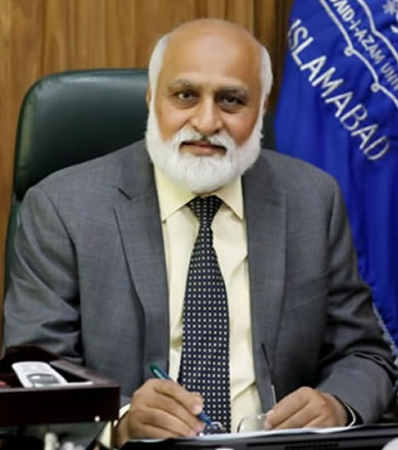
Prof. Dr. Niaz Ahmad Akhtar (SI) – Journey of Success
Prof. Dr. Niaz Ahmad Akhtar (SI) has assumed the charge as Vice Chancellor, Quaid-i-Azam University, Islamabad on March 14, 2023. He is an accomplished scholar and academician with a Ph.D. in Chemical Engineering from the esteemed University of Leeds, UK, and an undergraduate degree in Chemical Engineering from the University of Punjab. With a remarkable career spanning decades, Dr. Akhtar has held significant positions in academia. Dr. Niaz has also worked as Vice Chancellor of the University of Punjab, University of Engineering and Technology (UET) Taxila, Vice Chancellor of the University of Sahiwal, Vice Chancellor of Information and Technology University (ITU-Punjab), and Rector of the National Textile University, Faisalabad (NTU). Notably, he also served as Vice Chairman (Punjab) of the Pakistan Engineering Council (PEC) for more than six years.
Dr. Niaz Ahmad Akhtar is a prolific author, having authored and edited four books on quality assurance in higher education in Pakistan. He is also known for his research publications in various journals and services as the Editor of the Journal of Quality & Technology Management. Furthermore, Dr. Akhtar was the Founder and Director of the Institute of Quality and Technology Management (IQTM) and Quality Enhancement Cell (QEC) at the University of Punjab. Dr. Niaz Ahmad Akhtar also served on various boards and committees at the University of Punjab. The government of Pakistan awarded Dr. Niaz Ahmad Akhtar the distinguished Sitara-i-Imtiaz in recognition of his outstanding contribution to the field of education (engineering & technology) on 23rd March 2015.