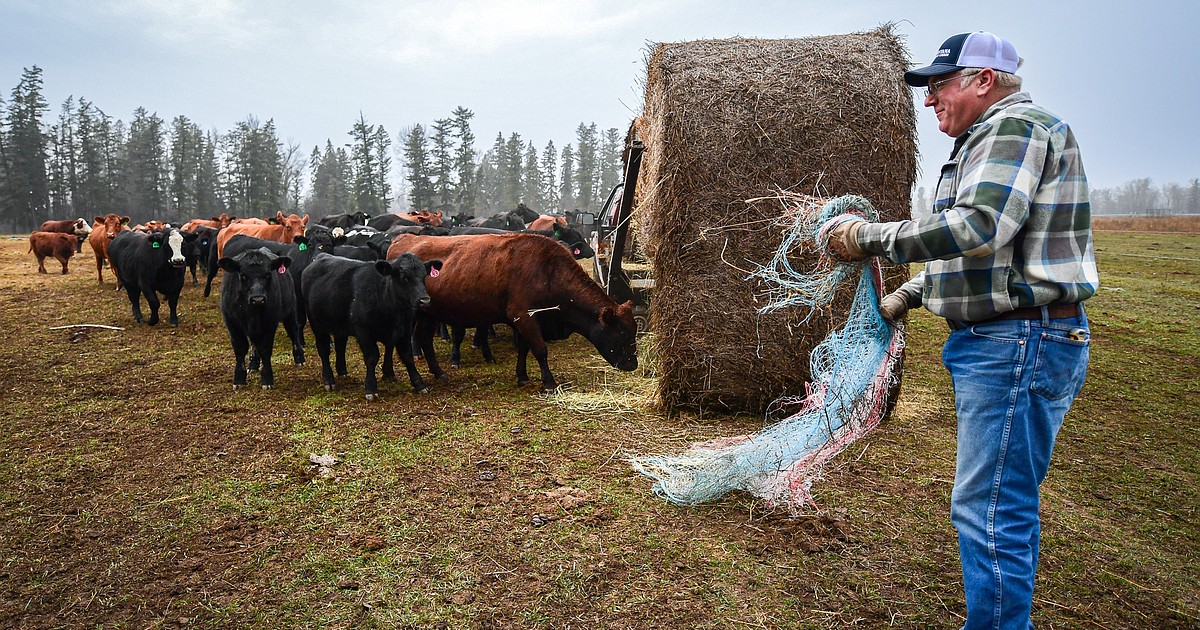
American cattle farmers are facing mounting pressure as soaring beef prices collide with record-low herd numbers and rising business expenses across the country. Although the US cattle population has dropped to its lowest level in 75 years, many ranchers say higher retail prices have not translated into stable profits. Instead, they are grappling with increased feed, labor, equipment, and maintenance costs that continue to climb.
In rural Virginia, farmer Chris Stem manages nearly 250 cattle, selling most to larger markets while processing about 15 percent locally for his butcher shop. While his revenue has increased due to higher cattle prices, his operating costs have surged at the same pace, squeezing his margins. For example, ribeye steak that sold for $14.99 per pound in 2019 now costs $32.99, yet his shop’s sales have fallen by 30 percent.
Read more : US military prepares weeks-long Iran operations amid rising tensions
Moreover, consumer demand patterns have shifted as households respond to inflation and rising food bills. Many shoppers are limiting purchases, switching to cheaper cuts, or choosing alternative proteins altogether to manage tight budgets. Retailers have also raised prices by as much as 30 percent over the past year, but sales volumes have declined between 15 and 30 percent, reflecting growing buyer fatigue.
At the same time, trade policies have intensified uncertainty for domestic producers. The US government has expanded beef imports from Argentina and exempted Brazilian beef from steep tariffs in an effort to stabilize ground beef prices. However, ranchers worry that additional imports could depress domestic prices and erode profitability, especially as rebuilding herds after drought conditions may take several years.
Read more : US military preparing for potentially weeks-long Iran operations
Beef and veal prices rose 15 percent year-on-year in January, while ground beef reached record highs in recent months. Despite these increases, producers argue that they operate on extremely thin margins and receive only a small share of retail profits. Industry groups warn that continued imports and policy unpredictability could push the sector into deeper crisis, threatening long-term sustainability for American cattle farmers.