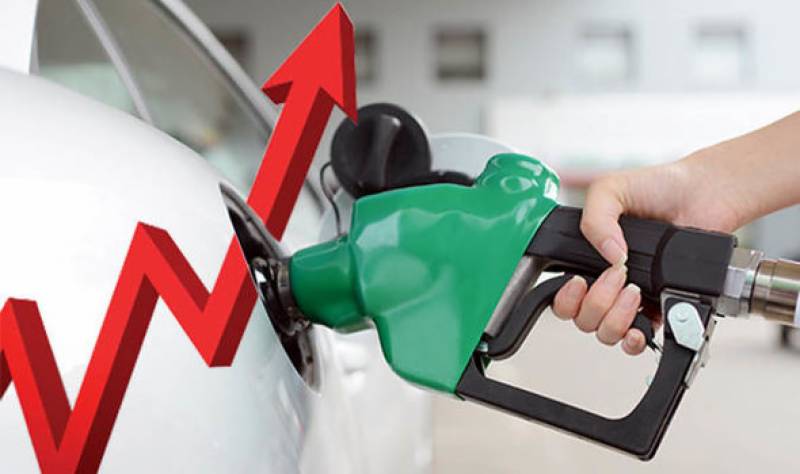
The government has announced a significant increase in petroleum prices, marking the largest hike in the country’s history. In a joint press conference, Petroleum Minister Ali Pervaiz Malik and Finance Minister Muhammad Aurangzeb confirmed that petrol prices have been raised by Rs137.24 per litre, bringing the new price to Rs458.41 per litre. Similarly, diesel prices have been increased by Rs184.49 per litre, setting the new rate at Rs520.35 per litre.
Read More: Pakistan Sees Surge in Fuel Sales as March Travel Boosts Demand
According to the official notification, the revised prices came into effect at midnight. Sources revealed that the petroleum levy on petrol has been increased by Rs55.24 per litre, taking it to Rs160.61 per litre, while the levy on diesel has been reduced to zero from the previous Rs55.24 per litre.

Addressing the media, the finance minister stated that the decision was taken after consultation with the country’s leadership and emphasized the introduction of targeted subsidies to support vulnerable groups. He announced that motorcycle users would receive a subsidy of Rs100 per litre on up to 20 litres of petrol per month. Additionally, intercity public transport will receive a Rs100 per litre subsidy on diesel, while goods transport operators will be provided a monthly subsidy of Rs70,000. The government also plans to support Pakistan Railways to help manage fare increases.
Petroleum Minister Malik attributed the price surge to global market conditions, noting a sharp rise in crude oil prices in recent weeks. He highlighted that diesel prices in the international market have exceeded $250 per barrel and pointed to ongoing regional tensions affecting supply routes, particularly through the Strait of Hormuz.
Read More: Pakistan raises petrol, diesel prices by Rs55 per liter
He stressed that the government had made efforts to shield the public from the full impact but was compelled to act due to existing agreements and financial constraints. Malik added that authorities are working to ensure uninterrupted fuel supply despite the challenging economic environment.