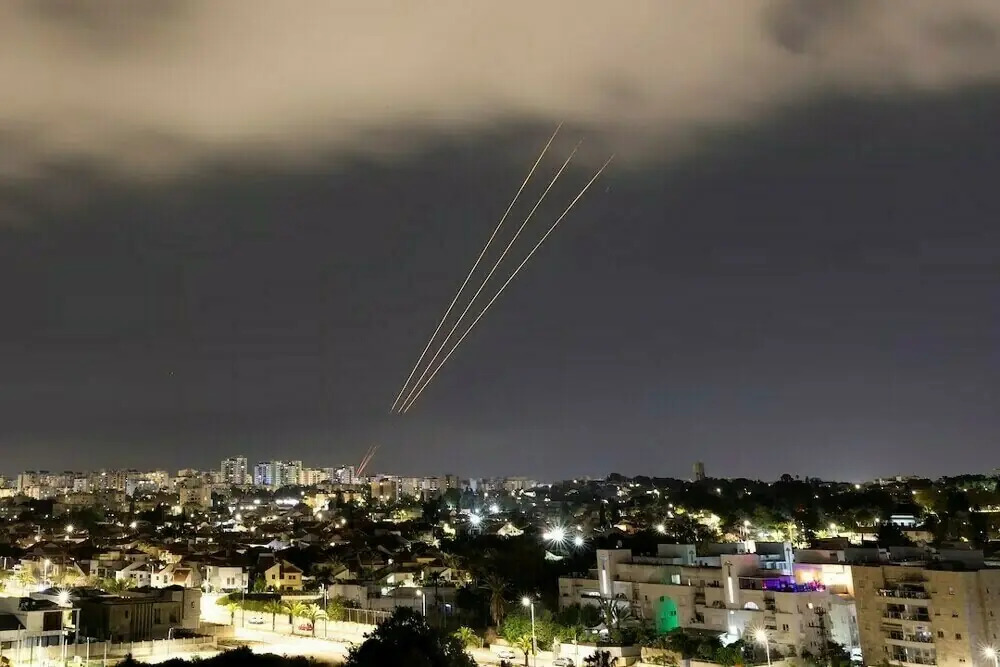
Israel has said the war against Iran is entering a “decisive phase” as strikes continue across the Middle East, including attacks on the US embassy in Baghdad and a major Emirati energy facility. Explosions and missile attacks have displaced millions and reportedly killed more than 1,200 people in Iran since the conflict began. The escalation has disrupted the global oil supply and heightened fears of prolonged economic impact worldwide.
Clouds of black smoke were seen over Fujairah, home to a key UAE oil terminal, after Iran warned civilians to avoid port areas. Israel’s Defence Minister Israel Katz said the conflict would continue “as long as necessary” despite Iran’s resistance, which includes missile and drone attacks on neighboring countries and halting traffic through the Strait of Hormuz. President Donald Trump confirmed US forces struck Iran’s Kharg Island oil hub, hitting military targets while sparing energy infrastructure.
Read more: Netanyahu links Iran strikes to Messiah’s return
The US embassy in Baghdad was hit for the second time since February 28, following strikes on the Iran-backed Kataeb Hezbollah group that killed two members. The Pentagon says over 15,000 targets in Iran have been hit, with Israel conducting 7,600 strikes, mostly against missile infrastructure. US media reports suggest a ground invasion could be possible, with USS Tripoli and 2,500 Marines dispatched to the region.
Iran’s supreme leader Ali Khamenei was killed on the first day of the war, with his son Mojtaba Khamenei named as the new leader. Iranian forces continue to show resilience, while Turkey reported NATO intercepted a ballistic missile from Iran. Hezbollah has also entered the conflict from Lebanon, where Israeli air and ground strikes have killed at least 773 people and displaced hundreds of thousands.
Read more: Hamas urges Iran to avoid targeting neighbors
Crude oil prices have surged more than 40% since the fighting began, and the US Navy is set to escort tankers through the Strait of Hormuz. Despite ongoing attacks, Iran’s energy facilities remain largely intact. Regional governments, including Qatar and Saudi Arabia, have intercepted missiles and drones, and the UN estimates up to 3.2 million people have been displaced inside Iran, highlighting the growing humanitarian crisis.