In the dynamic landscape of the global workforce, gender equality remains a pivotal concern. It’s not merely a matter of fairness but a strategic necessity. Diverse teams, as research underscores, foster innovation, resilience, and superior performance. Yet, the gender gap, particularly in leadership roles, remains glaring. The 2022 Global Gender Gap Index Report by the World Economic Forum highlights this disparity, with Pakistan ranking at 145 out of 146 countries—a figure that provides a stark reminder of the challenges ahead.
However, with its rich history and diverse culture, Pakistan is poised to change this narrative. The nation’s commitment to women’s empowerment is evident in its initiatives and programs. The United Nations Development Programme (UNDP) emphasises the essential role of women’s participation in all areas of society to bring about significant and lasting change and has been actively integrating gender equality into every aspect of its work in the country.
The gender gap in the workforce, influenced by cultural and societal norms, requires innovative solutions. One such solution lies in adopting a more flexible work environment. This approach not only caters to the evolving needs of the modern workforce but also addresses the unique challenges faced by women in balancing their professional and personal lives.
Understanding the Gender Gap in Pakistan’s Workforce
The gender disparity in Pakistan’s workforce is a multifaceted issue, deeply rooted in economic, cultural, and societal dimensions. The UNDP report on gender equality in Pakistan underscores the wage disparities between men and women, with women often relegated to lower-paying jobs and facing limited opportunities for advancement. The report also states women in the country also have the smallest share of senior, managerial and legislative roles in the world, standing at only 4.5%.
Cultural beliefs and societal norms further dictate women’s career trajectories, discouraging them from venturing into traditionally male-dominated sectors. Additionally, despite strides in female education, many girls still lack access to quality education, hindering their future career prospects. The report also highlights the limited political representation of women and the unique challenges they face due to climate change, especially in the rural areas, which further limits their ability to participate in the workforce.
With concerted efforts from various stakeholders, including the government, private sector, and civil society, Pakistan has the potential to foster a more inclusive and gender-balanced workforce.
World Bank recently issued a report on Pakistan Human Capital Review according to which Pakistan’s HC Index value of 0.41 is low in both absolute and relative terms, which is also lowest in South Asia and more comparable with Africa. One of the reasons highlighted in the report is that there is an enormous gender inequality in utilization of human capital; the utilization adjusted to HCI value is 0.31 for men and only 0.08 for women. About 60% of working-age women are not in employment, education or training.
The Power of Flexibility
Flexibility in the workplace has evolved beyond a mere trend; it represents a massive shift in how we view work today. Adopting flexible work environment offers numerous advantages. For Pakistani women, this flexibility can be a bridge, allowing them to harmoniously merge family commitments with career goals. This is supported by a study from the International Labour Organisation, which found a strong link between flexible work environments and increased participation of women in Pakistan’s workforce.
But the benefits of flexibility aren’t exclusive to employees. Organisations can also reap significant rewards, including heightened productivity, cost savings, and improved employee morale. Beyond organisational benefits, the economic rationale for championing women’s active participation in the economy is also compelling. By achieving gender parity in the workforce, projections indicate that Pakistan’s GDP could witness a surge of up to 60% by 2025. Similarly, bridging the gender divide in labor force involvement could potentially yield a one-time GDP boost of 30%.
The Way Forward
While the merits of a flexible work approach are undeniable, its integration into Pakistan’s work culture is met with unique challenges. Societal norms and expectations often dictate traditional work structures, making the shift to flexible models a significant cultural transition. Yet, with a unified effort from businesses, policymakers, and the broader community, we can pave the way for a more inclusive and flexible work environment.
Mashreq’s dedication to championing gender equality stands as a beacon of hope in this journey. Through pioneering initiatives like the global Reignite programme, Mashreq is not only advocating for women’s participation but is actively working towards creating a landscape where women emerge as trailblazers and leaders.
The other on-ground solutions that companies like Mashreq are pursuing towards gender equality while they implement the flexible work approach are multifaceted. Building a strong company culture is paramount. This involves fostering strong collaboration, ensuring open communication, guaranteeing equal opportunities, and implementing a no-bias performance evaluation system. Such an environment is conducive to the growth and well-being of all employees.
Navigating hidden biases is another crucial aspect. Addressing stereotypes, such as viewing remote work as primarily female-centric benefits or limiting women to certain positions post marriage and maternity, is essential. By prioritising inclusivity and implementing solutions like pay equity audits, companies can encourage a diverse workforce to embrace flexible work arrangements.
Diversity and inclusivity (D&I) trainings play a pivotal role in making employees and managers aware of gender biases, as they shed light on how to overcome these biases in day-to-day interactions.
It is also vital for companies to challenge leadership biases. The idea that leadership ability is determined by gender is outdated. Leadership should be recognized and nurtured based on skills, experience, and qualities, ensuring we value and utilize the diverse talents within our workforce.
Same applies for the stereotype of women being inherently more nurturing and empathetic than men. With these solutions in place, we can anticipate a future where the workplace is more inclusive, diverse, and conducive to growth for everyone.
Commitment to Progress
As we move forward, let us remember that our goal is not just to achieve a balanced workforce but to create an environment where every individual, regardless of gender, has the opportunity to excel, innovate, and lead.
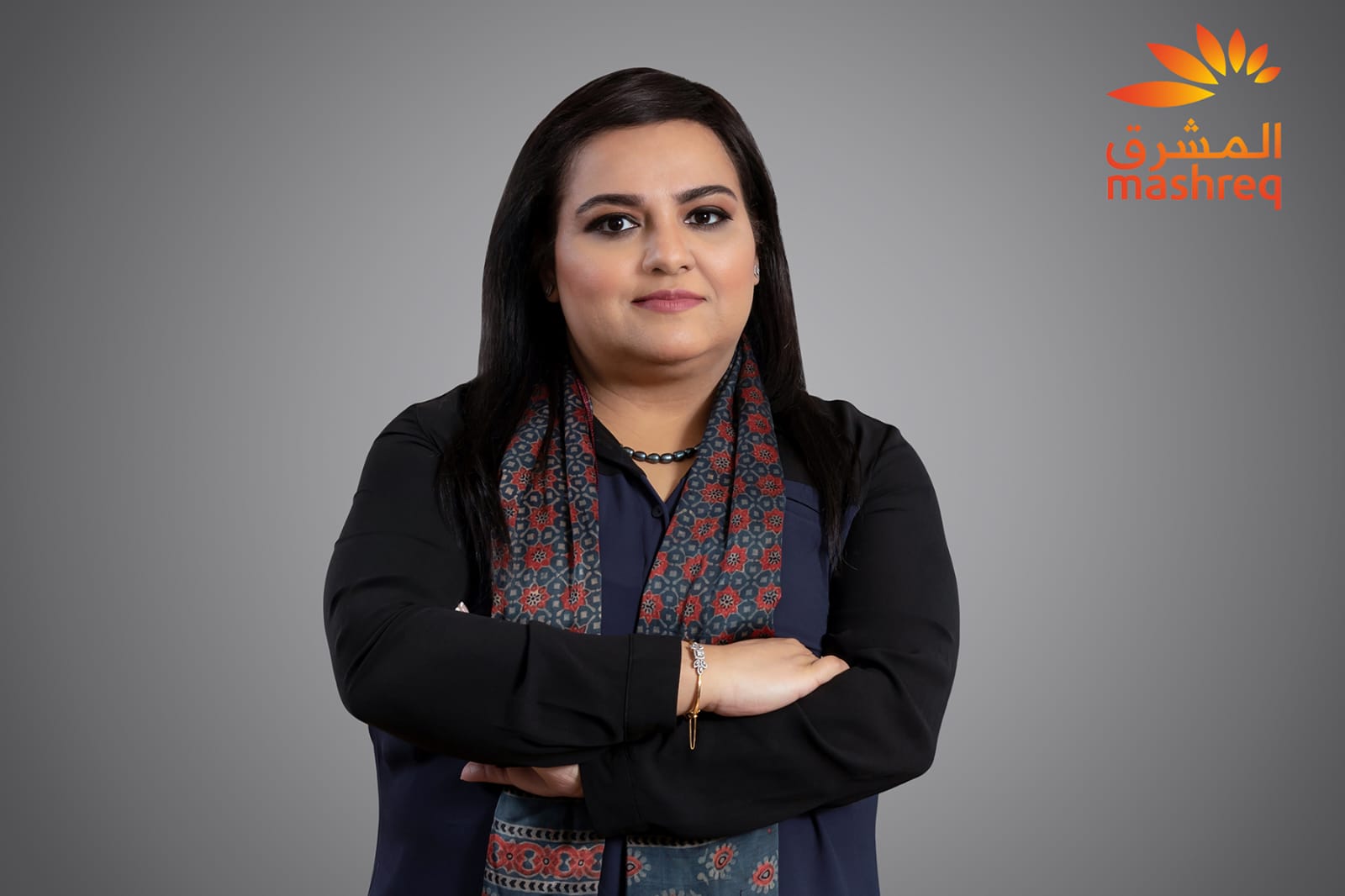
The writer is Head of Mashreq Global Network, Pakistan.